


Understanding Black Mold Removal Methods
- Lakeshore Restoration LLC
- 12 minutes ago
- 4 min read

Mold is a common problem in many homes and businesses, especially in areas with high humidity or water damage. Among the various types of mold, black mold often raises the most concern. It can cause damage to your property and may affect your health if left untreated. Understanding how to deal with black mold effectively is essential to keep your space safe and healthy.
In this post, I will walk you through the most effective black mold removal methods. I will explain what black mold is, how to identify it, and the best ways to remove it safely. Whether you are dealing with a small patch or a larger infestation, this guide will help you take the right steps.
What Is Black Mold and Why Is It a Concern?
Black mold, scientifically known as Stachybotrys chartarum, is a type of fungus that thrives in damp, warm environments. It often appears as a dark greenish-black patch on walls, ceilings, or other surfaces that have been exposed to moisture for a long time.
The reason black mold is a concern is twofold:
Property damage: Black mold can weaken building materials like drywall, wood, and insulation. Over time, this can lead to costly repairs.
Health risks: Exposure to black mold spores can cause allergic reactions, respiratory problems, and other health issues, especially for people with asthma or weakened immune systems.
Because of these risks, it’s important to address black mold as soon as you notice it.

Effective Black Mold Removal Methods
When it comes to removing black mold, there are several methods you can use depending on the size and severity of the infestation. Here are some of the most common and effective approaches:
1. Identify and Fix the Source of Moisture
Before you start cleaning, you need to find out where the moisture is coming from. Mold will keep coming back if the source of dampness is not fixed. Common sources include:
Leaking pipes or roofs
Poor ventilation in bathrooms or kitchens
Flooding or water damage
Fixing these issues is the first step in any mold removal process.
2. Use Protective Gear
When handling mold, always wear protective gear to avoid inhaling spores or getting them on your skin. This includes:
Gloves
Goggles
A mask or respirator rated for mold spores
Safety should always come first.
3. Clean Small Areas with Household Products
For small patches of black mold (less than 10 square feet), you can often clean it yourself using household products such as:
Soap and water: Scrub the moldy area with detergent and water.
White vinegar: Spray undiluted vinegar on the mold and let it sit for an hour before wiping.
Baking soda: Mix baking soda with water to create a paste and scrub the mold.
Avoid using bleach on porous surfaces, as it may not fully remove mold roots.
4. Remove and Replace Damaged Materials
If mold has penetrated porous materials like drywall, ceiling tiles, or carpet, it’s often best to remove and replace these items. Mold can grow deep inside these materials, making cleaning ineffective.
5. Use Professional Mold Removal Services for Large Infestations
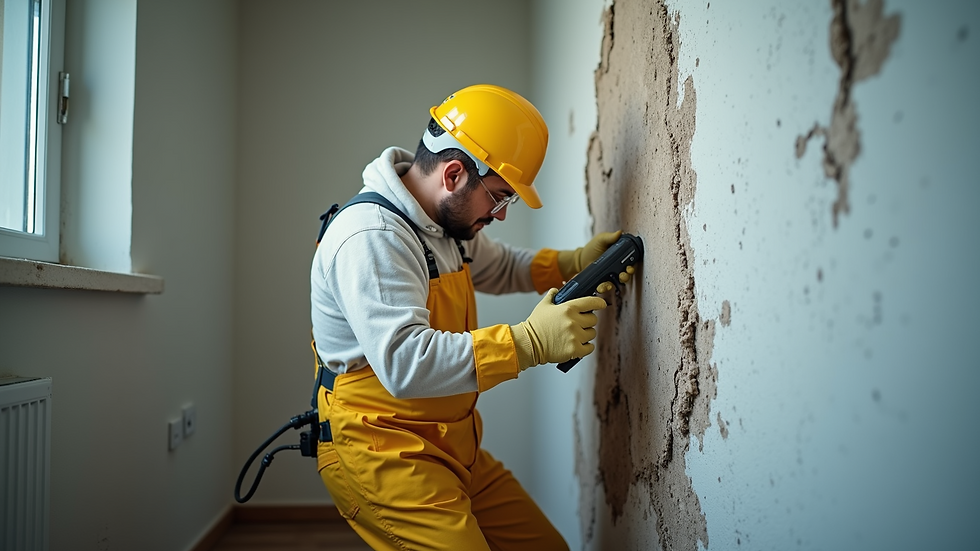
For larger mold problems or if you have health concerns, it’s wise to call in professionals. They have the right equipment and expertise to safely remove mold and prevent it from returning.
If you want to learn more about professional black mold removal, check out trusted local services that specialize in mold remediation.
Is All Black Mold Toxic?
Not all black mold is toxic, but it’s difficult to tell the difference just by looking. Some black molds produce mycotoxins, which can be harmful to humans and pets. Others may not produce toxins but can still cause allergic reactions or respiratory issues.
Because of this uncertainty, it’s best to treat all black mold as potentially harmful. Avoid disturbing mold patches without proper protection, and consider professional testing if you want to know the exact type of mold present.
Preventing Mold Growth in Your Property
Prevention is always better than cure. Here are some practical tips to keep mold from growing in your home or business:
Control humidity: Keep indoor humidity below 50% using dehumidifiers or air conditioners.
Ventilate: Use exhaust fans in bathrooms and kitchens to reduce moisture.
Fix leaks promptly: Repair any plumbing or roof leaks immediately.
Clean regularly: Wipe down surfaces prone to moisture, such as windowsills and bathroom tiles.
Use mold-resistant products: When renovating, consider mold-resistant drywall and paint.
By following these steps, you can reduce the chances of mold returning after removal.
When to Call the Experts
Sometimes, mold problems are too big or complicated to handle on your own. You should consider professional help if:
The mold covers more than 10 square feet.
You notice mold inside your HVAC system.
You or your family members experience health symptoms related to mold exposure.
You are unsure about the extent of the mold problem.
Professional mold removal companies use specialized equipment like HEPA vacuums and air scrubbers to remove mold safely and thoroughly. They also provide advice on preventing future mold growth.
If you are dealing with mold issues and want reliable help, Lakeshore Restoration LLC is here for you. We specialize in mold removal and remediation across Wisconsin, ensuring your property is restored safely and effectively. For expert advice or service, visit our homepage at lakeshorerestorationllc.com, call us at (920) 221-1440, or email lakeshorerestorationllc@gmail.com. We are committed to giving you peace of mind and a healthy environment.


Comments